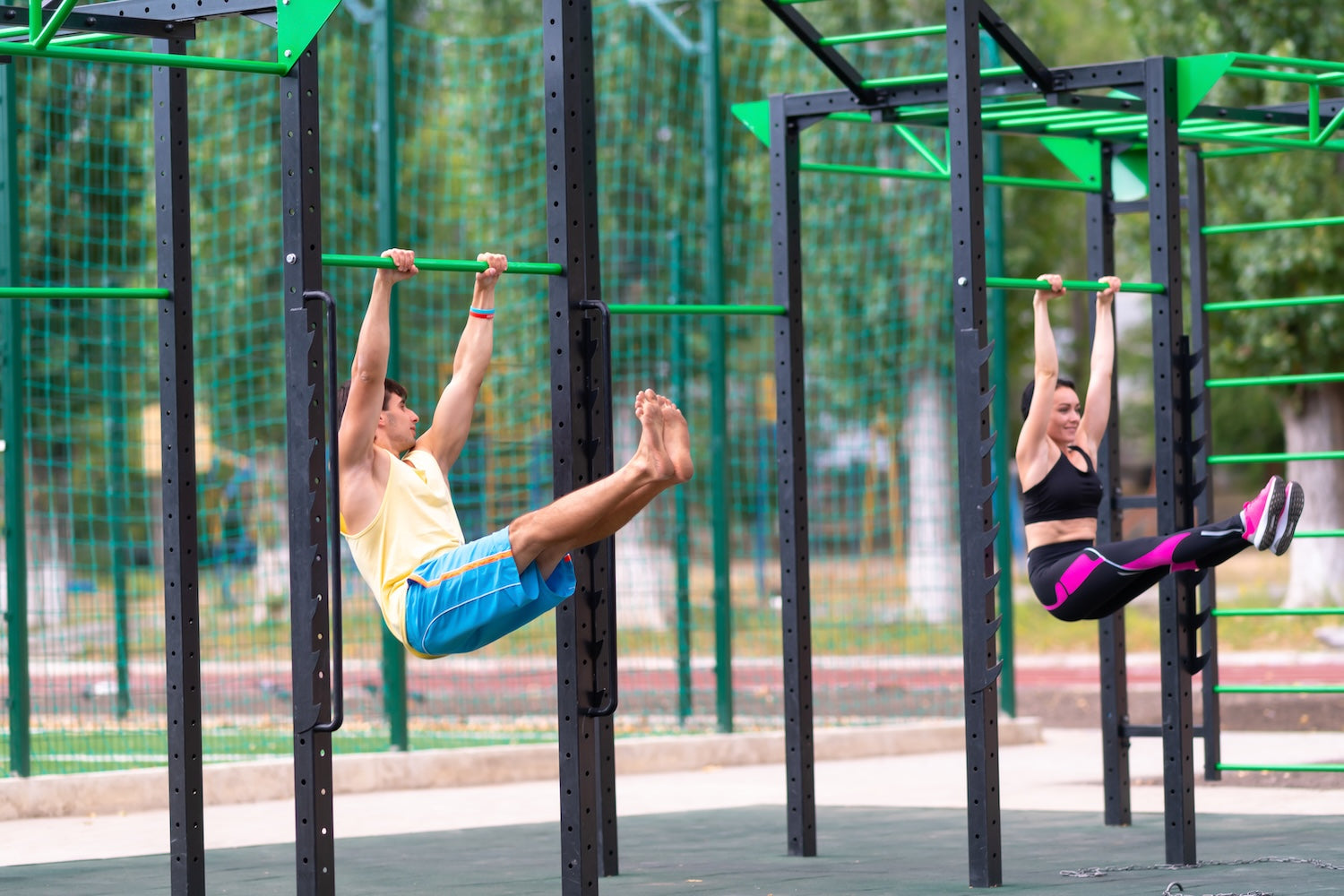
Want to finally see visible results instead of training aimlessly? A Calisthenics Training Plan gives you structure, clear exercises, and progress. You avoid haphazard training, reduce the risk of injury, and get more out of each session. With Betterguards at your side, you'll stay stable, perform well, and stay motivated in the long term. What is calisthenics? Calisthenics means training with your own body weight. Typical calisthenics exercises include push-ups, pull-ups, and squats. People often train outdoors on bars or in parks. The goal is to build strength, endurance, and flexibility without using any machines.
What is a calisthenics training plan?
A calisthenics training plan is a well-thought-out structure for your bodyweight training. It ensures that you don't do exercises randomly, but in a logical order. This allows you to build strength, endurance, and technique in a planned manner. A calisthenics training plan usually includes warm-ups, basic exercises such as push-ups, pull-ups, or squats, and a logical progression over several weeks. This allows you to recognize when you are ready for more difficult variations or skills. Without a plan, you run the risk of stagnating or overloading yourself. With a plan, your training remains clear and effective.
Why a calisthenics training plan is essential
Training without a plan means that sometimes it works, sometimes it doesn't—but most of the time, everything stagnates. Beginners in particular quickly lose interest because they don't see visible results. There is also the risk of overexertion or injury if you push yourself too hard without a plan. A calisthenics training plan brings order to your training. It shows you how to build up sensibly and what steps to take next. A well-designed calisthenics training plan ensures progress, keeps your motivation high, and protects you from setbacks. This way, every session is a step forward.
Calisthenics training plan for beginners – the right way to get started
Many beginners stumble when starting calisthenics: too many repetitions, overly complex exercises, or a lack of technique can quickly lead to a dead end. A calisthenics training plan for beginners removes these hurdles. It focuses on clear sequences and easily adaptable exercises. A calisthenics training plan for beginners shows you which basics really count – push-ups, dips, squats – and how to gradually increase their intensity. This allows you to build strength without overloading your body. If you prefer to train at home, a calisthenics training plan for beginners at home provides you with the necessary structure. With a calisthenics beginner training plan, you can stay focused, avoid mistakes, and build a solid foundation for advanced moves.
Complete calisthenics training plan – structure and layout
For training to be truly effective, you need more than just random exercises. A complete calisthenics training plan ensures balance and progression. After a light warm-up, you do core exercises that you repeat and vary systematically. This keeps you motivated and helps you see results. Every calisthenics training plan should include these four pillars:
- Push: Push-ups, dips
- Pull: Pull-ups, rings
- Core: Crunches, leg raises
- Legs: Squats, jumps
A typical week could look like this:
- Tuesday: Push & Core
- Thursday: Pull & Legs
- Saturday: Full Body
A calisthenics training plan at home makes you independent of gyms. With a bar, bands, or your own body weight, you can cover everything.
Calisthenics training plan for advanced athletes – mastering the next steps
Once you've mastered the basics, the real challenge begins. An advanced calisthenics training plan no longer focuses solely on strength, but also on complex skills. Whether it's muscle-ups, handstand push-ups, or front levers, these require patience, technique, and a well-thought-out training program. Splits help to organize your training: one day you focus on push, the next on pull. Core units strengthen your foundation. A calisthenics training plan for women can also be designed in this way, depending on whether the focus is more on strength endurance or skills. With smart planning, you can push your limits without injuring yourself.
Common mistakes and how to avoid them
Many people make the same mistakes when training: too few breaks, poor technique, or jumping too quickly into difficult exercises. Training this way puts you at risk of injury and will hinder your long-term progress. Focus on quality rather than quantity. Perform each repetition in a controlled manner and increase the intensity slowly. Also, plan for regular recovery – muscles don't grow during exercise, but during recovery. Many people also underestimate how much jumping and fast movements strain the joints – with Betterguards, even beginners can get started safely.
Safe performance with Betterguards
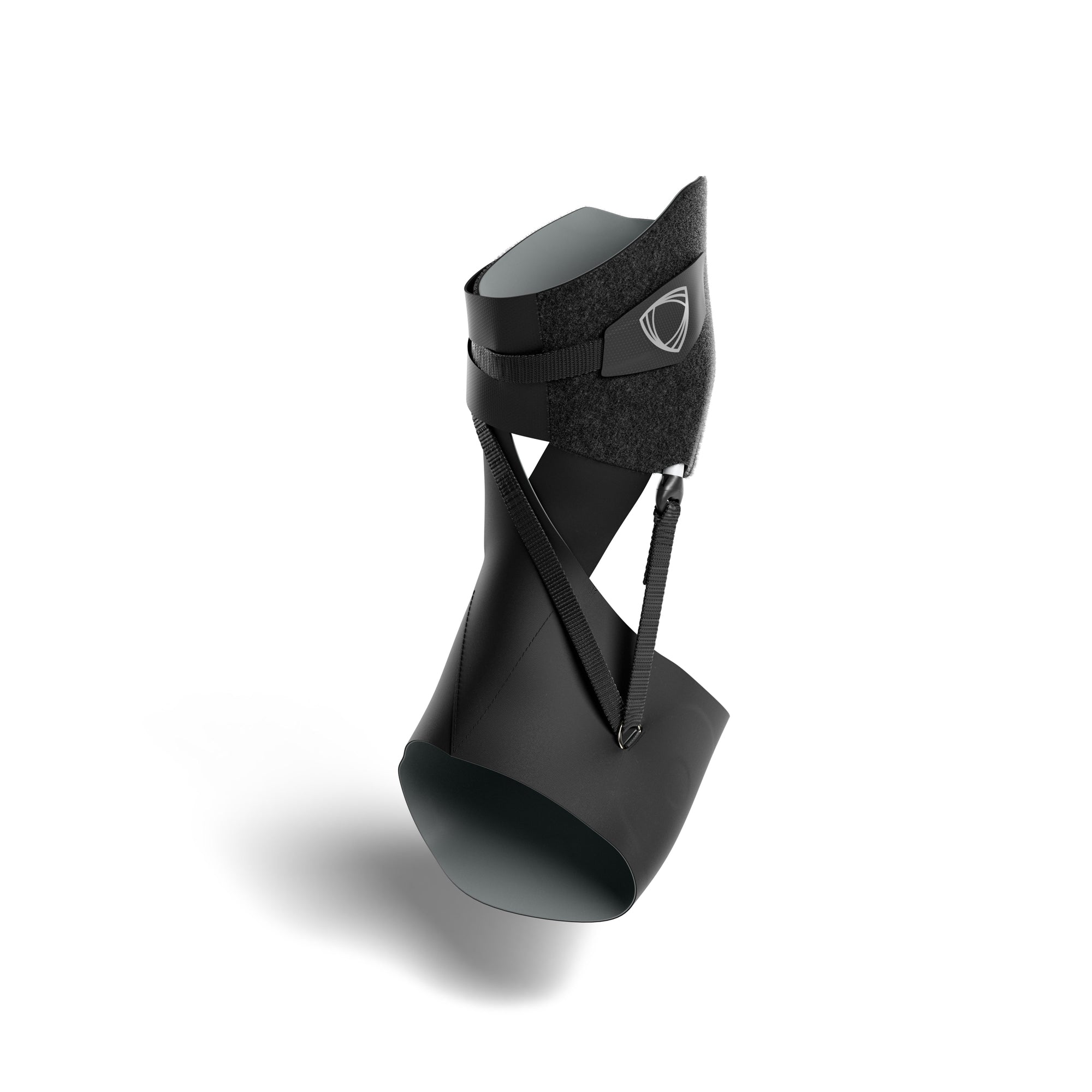
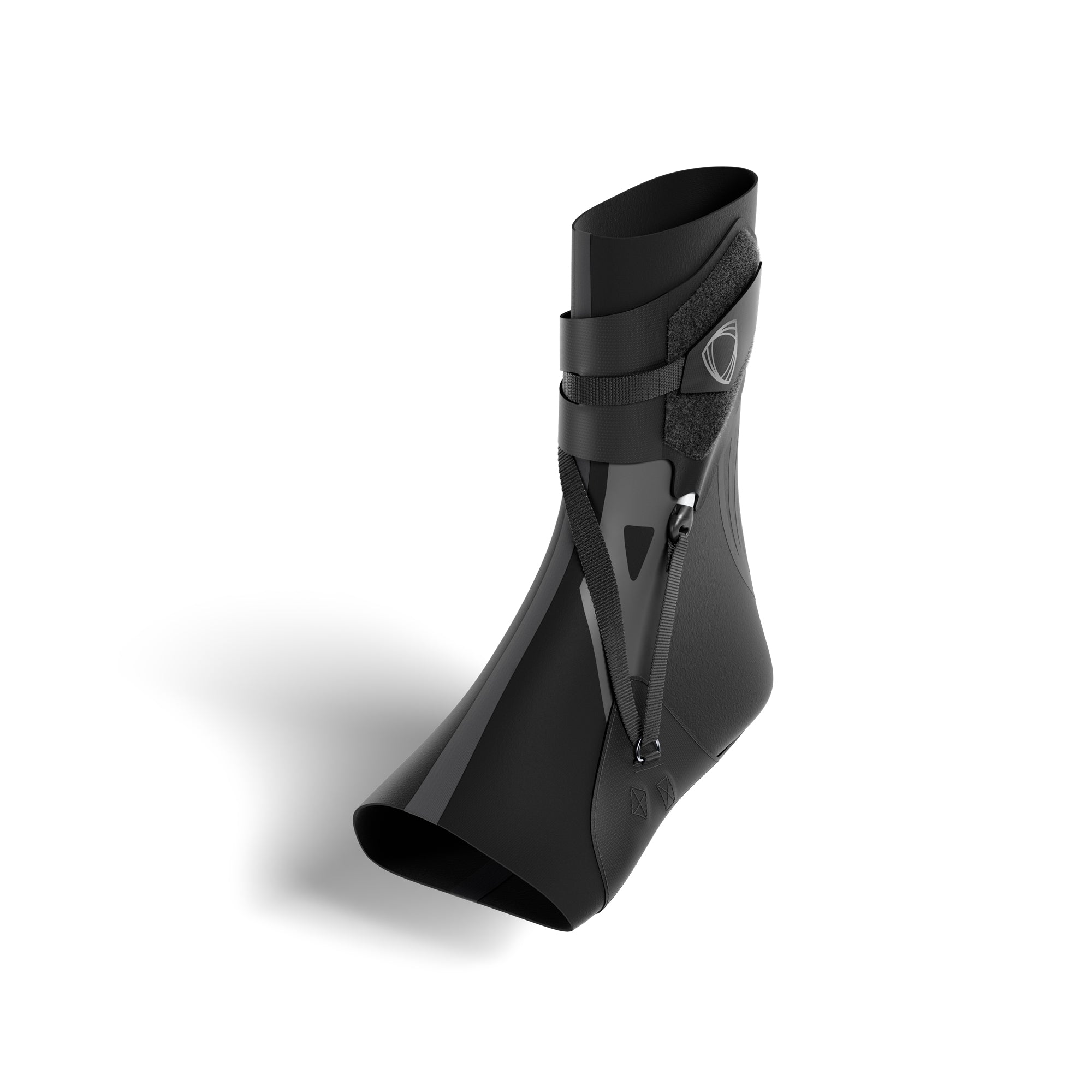
Dynamic elements such as jumps or explosive changes of direction place extreme demands on your ankle joints. Without protection, the risk of painful injuries increases. This is exactly where Betterguards technology comes in: it reacts lightning fast in critical moments and stabilizes without restricting your freedom of movement. You can concentrate fully on your exercises and don't have to constantly think about possible missteps. By combining a clearly structured calisthenics training plan with Betterguards, you will not only train more efficiently, but also more safely. This combination ensures that you make long-term progress without unnecessary breaks due to injuries.
Conclusion – Your calisthenics training plan for long-term success
A clear calisthenics training plan gives you structure, progress, and motivation. With Betterguards, you can also protect your ankles, stay injury-free, and prevent unnecessary setbacks. Start your training with a plan now, stay stable, and take the next step without fear of injury.