Without a soccer training plan, your training will lack structure. With a plan, a system, and the right support, you can train in a targeted manner, improve your endurance and technique, and remain stable – whether at your club, at home, or during the summer break.
Why a soccer training plan is crucial to your success
A soccer training plan gives you the structure you need on the field and for peak performance. Without a plan, you run the risk of overloading yourself or completely neglecting certain areas. Just playing doesn't automatically make you better—targeted training makes all the difference in building your fitness. A soccer training plan combines technique, endurance, and strength so that your body gets stronger and more resilient step by step. This also includes preventing injuries. Ankles and knees are particularly vulnerable in soccer. With a structured approach, you not only train more effectively, you also stay fit longer, should the game go into extra time. A clear plan saves you time, provides guidance, and gets you where you really want to be with your training goals: better performance and more fun on the field.
Common problems for soccer players—and how to solve them
Without a plan, you can quickly end up overtraining or doing the same exercises over and over again, which is not very effective. The ankle joint in particular suffers when training is unstructured or too intense. Added to this is the uncertainty in phases without a fixed routine, such as in the off-season. A training plan for the soccer summer break gives you a common thread even outside of the season. And if there is no field or team available, you can train important basics with a soccer training plan for at home. This way, you can stay on the ball without overdoing it. With a clear structure and the right equipment, you can prevent setbacks and stay injury-free, even when your body is demanding more than is actually good for it.
Structure of a modern soccer training plan
A modern plan follows a clear structure. Without this sequence, there is no balance between exertion and recovery.
Phases at a glance
-
Preparation phase: Basic endurance and strength form the foundation. Competition phase: Focus on sprints, technique, and tactical sequences. Transition phase: Regeneration, active cool-down, and maintenance of the foundation.
Contents of a weekly plan
A weekly plan combines various components. Typical examples are:
- Warm-up and mobilization
- Technical exercises with the ball
- Small group games
- Strength and stability exercises
- Recovery and stretching
If you want to create a soccer training plan, a template for the soccer training plan that you can flexibly adapt will help you. This allows you to determine when which units make sense. A plan gives you orientation and makes it easier to measure progress.
Sample weekly plan for your soccer training
Monday – Strength & stability (core training, jumping power, balance exercises)
Tuesday – Technique (passing, ball control, dribbling in small areas)
Wednesday – Recovery (light jogging, mobility, stretching)
Thursday – Endurance & speed (interval runs, sprints, changes of direction)
Friday – Game formats (2-on-2, 5-on-5, tactical sequences)
Saturday – Technique & shooting training (shooting, set pieces, combinations)
Sunday – Rest or light training at home (coordination, yoga, Blackroll)
The plan is a flexible example – you can adapt it depending on your performance level, stage of the season, or workload. In combination with a soccer training plan for at home or a soccer training plan for the summer break, you can stay fit even when you're not at the club. And if you also train with Betterguards, you can reliably protect your ankles during intensive sessions without losing any freedom of movement.
How to adapt the basic plan – for home and the summer break
The weekly plan above is a good basis, but not everyone trains at a club or always has access to a pitch and teammates. If you want to implement your soccer training plan for at home, focus on exercises that you can do on your own:
- Ball control: juggling, passing against a wall, tight dribbling in the garden or house
- Coordination: ladder exercises or simple cone courses
- Stability & strength: planks, lunges, jumping exercises, push-ups
- Endurance: Jump rope, short interval runs on the street or in the park
During the summer break, the focus is slightly different. The aim here is to maintain your fitness while also allowing your body to recover. The following are ideal:
- Easy endurance runs or cycling to maintain basic endurance
- Technical exercises with a ball so you don't lose your feel for the game
- Mobility and stretching to improve flexibility
- Targeted strength and stability training to keep your ankles and knees strong
This ensures that you don't start from scratch after the break, but start the new season with a stable foundation. In combination with Betterguards, you can train safely even during solo sessions or light running sessions and reliably protect your joints.
Season preparation: How to get the most out of your training
Mistakes can quickly creep in when preparing for the season: running too much, not enough technique, or a lack of recovery. With a season preparation soccer training plan, you can avoid this chaos. It provides you with a clear framework in which all content is coordinated—from fitness to ball work. This saves you time and keeps you consistent in your training. Even better: if you also use a smart bandage, you can play it safe in every session. This allows you to build up your performance without being set back by injuries.
Training at home and during the summer break – how to stay on the ball
The summer break tempts you to switch off completely. But if you do nothing for weeks, you'll find it hard to get started in the new season. A training plan for the soccer summer break keeps you fit without overloading you. You can incorporate sessions flexibly and adapt them to your everyday life. Even if there is no space or club training available, you can stay active with a soccer training plan for at home. Even short workouts with a ball, coordination exercises, or stability training are enough to maintain your rhythm and fitness. This way, you'll return to the field feeling refreshed but not rusty.
Betterguards as part of your soccer training plan
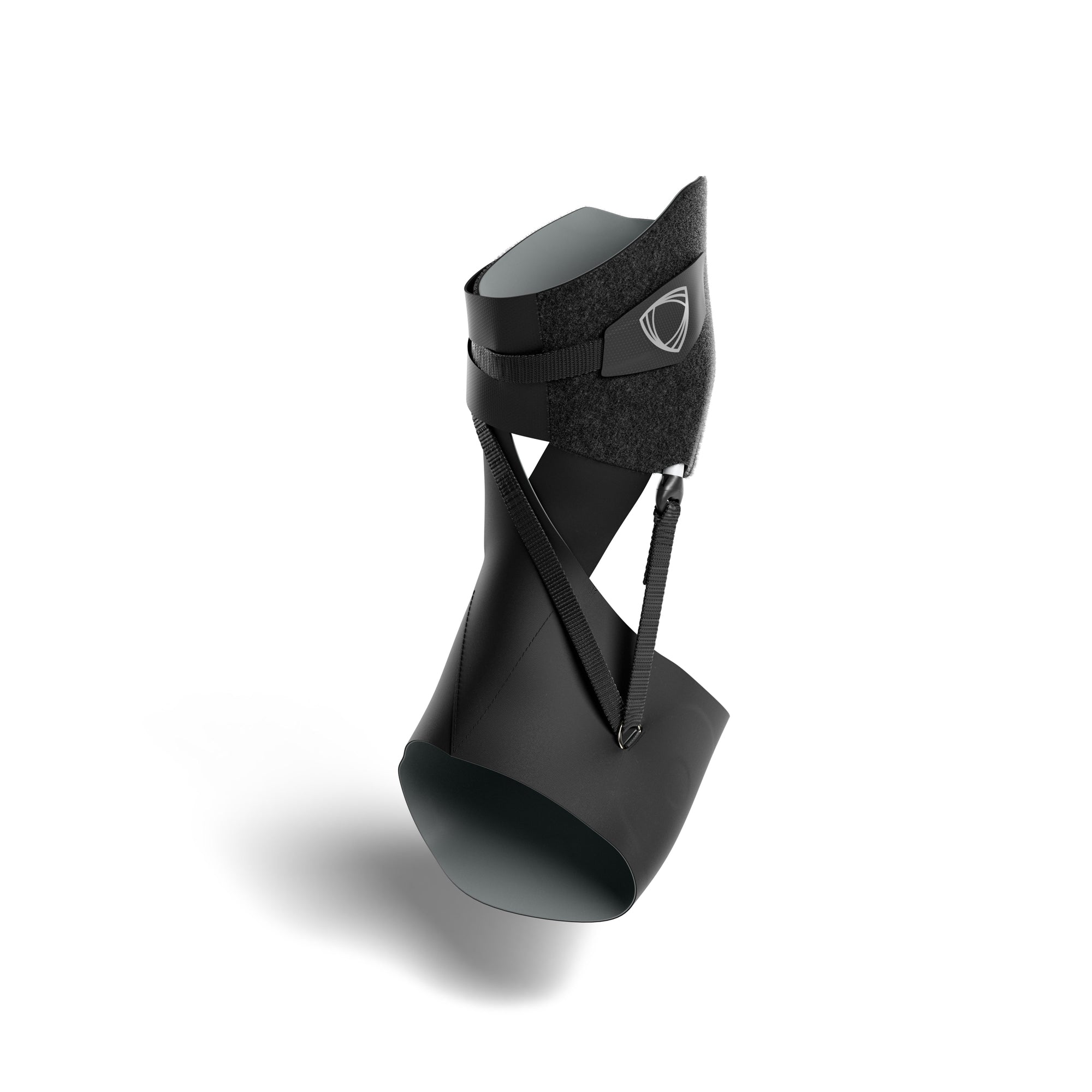
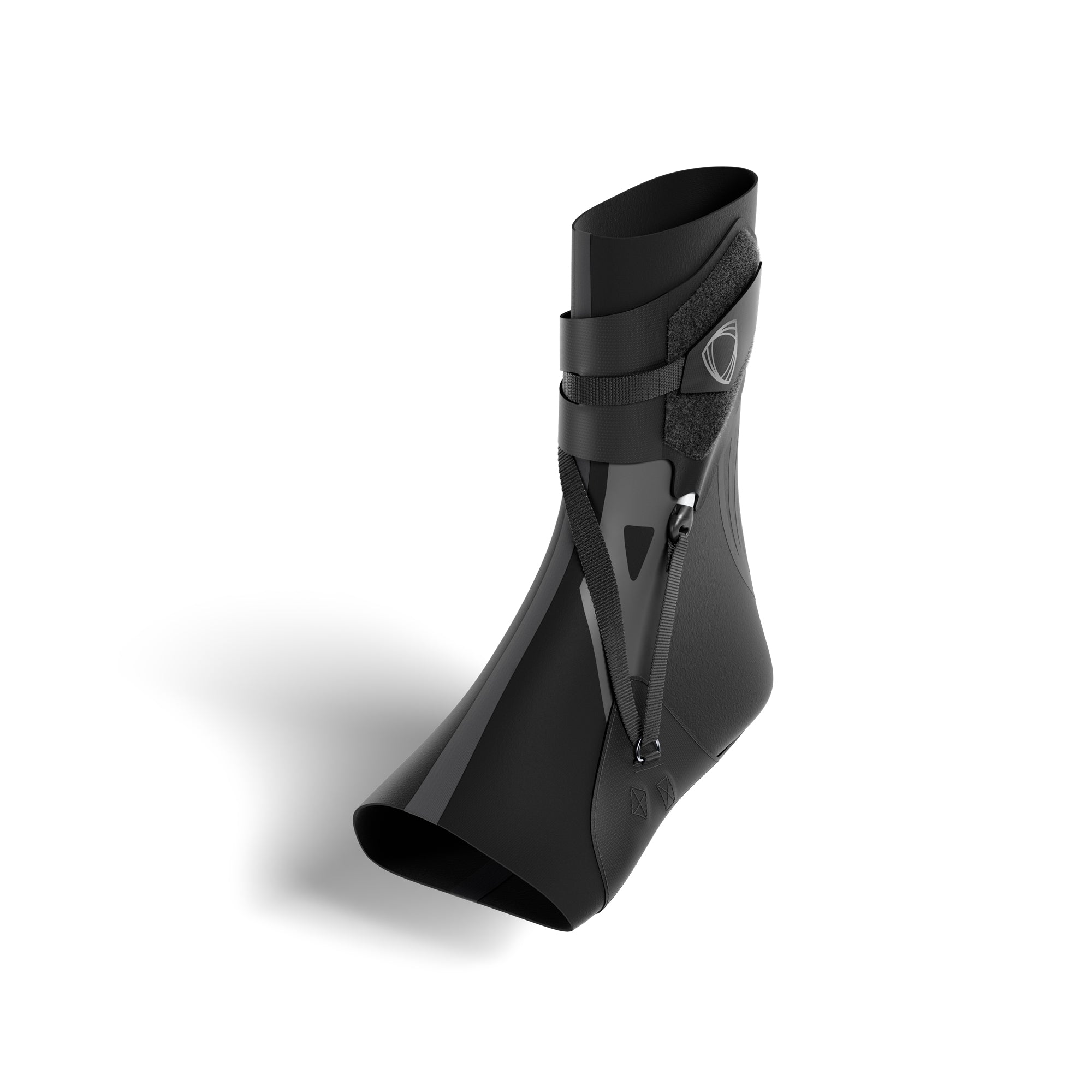
A plan alone gives you structure, but it only becomes truly effective with the right support. In soccer in particular, the stability of your ankles determines whether you can get through training and games without injury. The Betterguard combines protection and freedom of movement in one system. The adaptive bandage reacts instantly when you twist your ankle and otherwise remains flexible so you can move freely. This adds a safety net to your soccer training plan that you hardly feel during the game—but is there when you need it. For ambitious players who want to stay on the field for the long term, Betterguards is the logical choice.
The role of equipment in training
Hardly any part of the body is as vulnerable in soccer as the ankle. One wrong step, one tackle at the wrong moment, and you're at risk of an injury that will sideline you for weeks. That's why many people resort to rigid braces or tape. The problem is that they restrict your movement, reduce your mobility, and quickly become uncomfortable. Betterguards' adaptive technology offers you a different solution. The bandage only reacts when it's really critical and otherwise remains comfortably flexible. This allows you to train safely without compromising on speed or ball control. If you want to avoid injuries and still play freely, you should go for this approach.
Conclusion – Train safely and play better with the right soccer training plan
A soccer training plan gives you structure, improves your performance, and reduces the risk of injury. You know exactly when to train endurance, technique, or strength—and when it's important to take breaks. Combined with smart equipment such as the adaptive bandage from Betterguards, you remain flexible and safe at the same time. Check out our products in the shop and supplement your training plan with the protection your body needs. This way, you can train consistently, stay fit, and focus fully on what matters: your next strong performance on the field.