
You're standing on the field, the ball is coming toward you, but a completely different scenario is playing out in your head: What if I twist my ankle again? What if I tear a ligament?
This mental block has a name: kinesiophobia. It is often the invisible obstacle that stands between you and your best performance. Kinesiophobia is particularly common in sports such as soccer, handball, basketball, and volleyball. In this article, you will learn what lies behind the fear of movement and how to regain confidence in your body.
Kinesiophobia definition: More than just caution
💡What exactly is kinesiophobia? The kinesiophobia definition describes an excessive, unreasonable, and paralyzing fear of physical movement and activity. It usually results from a feeling of vulnerability due to a previous injury or the fear of aggravating an existing injury through movement.
It's a vicious cycle: out of fear of injury, you avoid certain movements. As a result, your muscles weaken, your coordination deteriorates, and the actual risk of injury increases—which in turn confirms your fear.
Fear of injury in sports: Why your mind plays a role
Fear of injury in sports is particularly widespread after a torn ligament or severe ankle sprain. Your brain wants to protect you. But when this protective function turns into an anxiety disorder about movement, not only does your performance suffer, but so does your quality of life.
Typical signs of kinesiophobia:
Below is a list of typical signs of kinesiophobia:
- Hesitation when making abrupt changes of direction or jumps
- Tense posture during training
- Constantly scanning the ground for unevenness
- Avoidance behavior (you no longer go to training even though you are physically healthy)
Ways out of fear: How to regain your self-confidence
To overcome the fear of injury, it is not enough to just train your body; you also need to strengthen your sense of security.
- Gradual exertion: Start small and increase the intensity slowly. Your brain needs to learn that exercise is safe
- Mental training: Visualize successful movements without pain
- Technological backup: Give your mind the security it needs
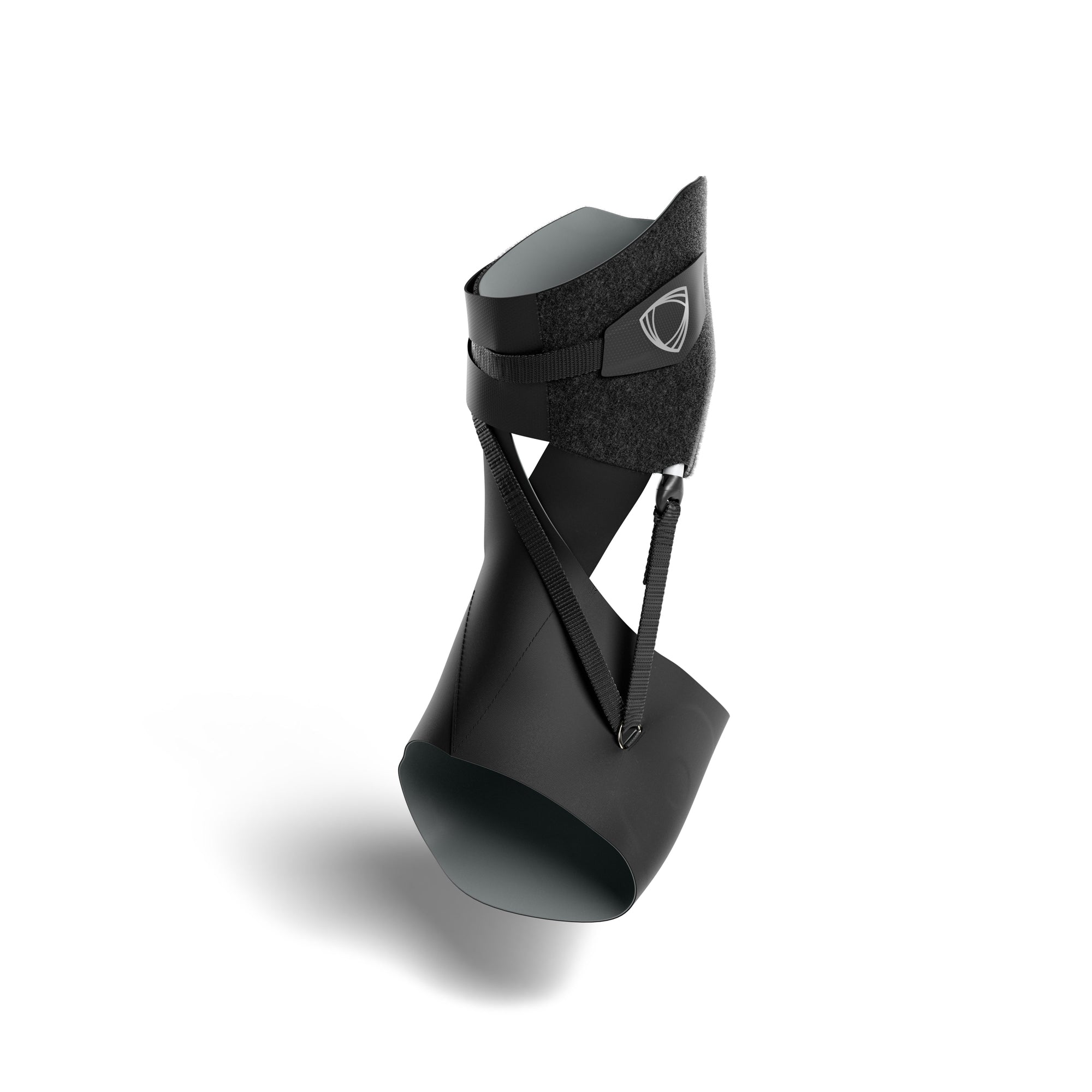
Your game changer for the ankle: The BetterGuard
Often, an external signal is needed for the mind to overcome the fear of injury. This is exactly where our technology comes in.
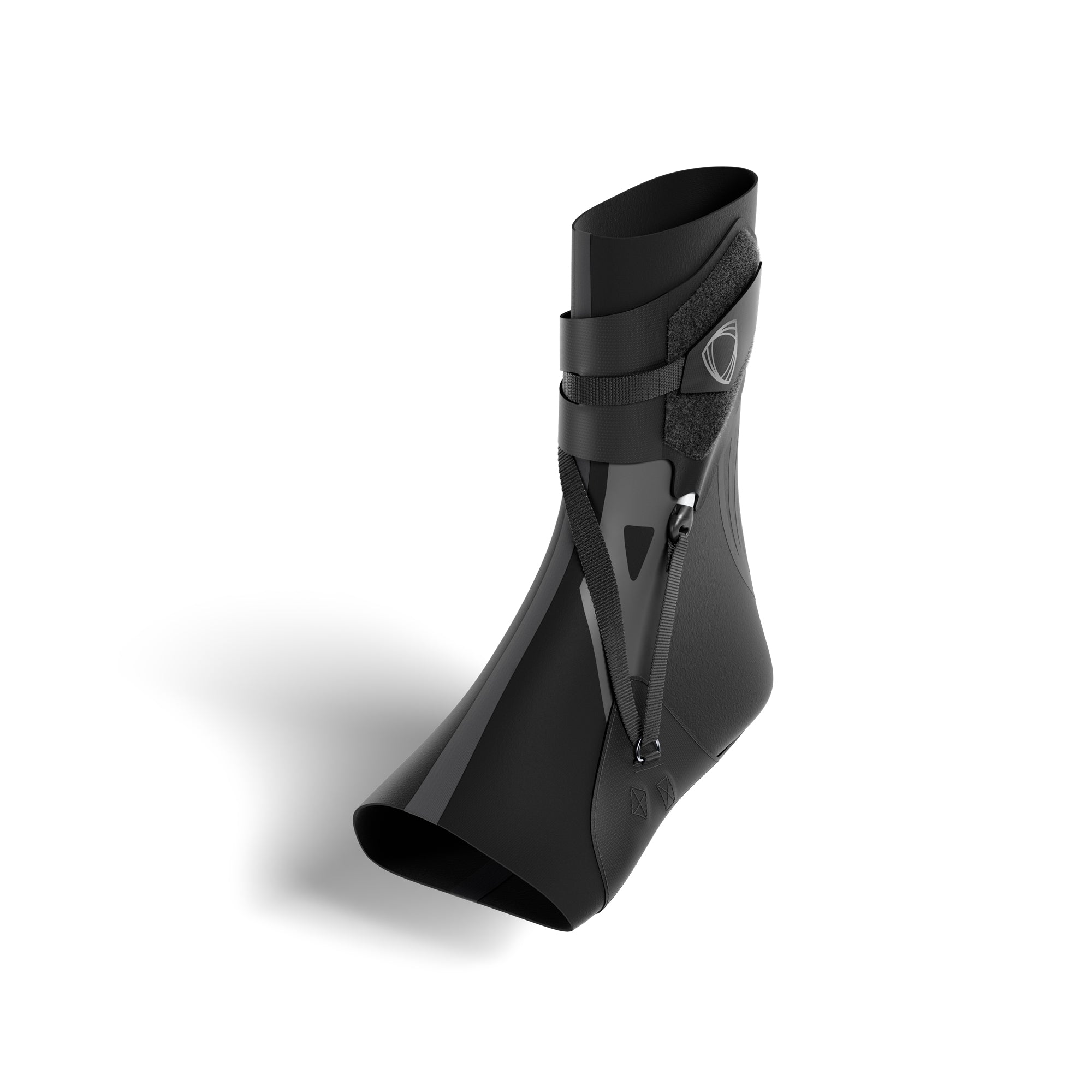
The BetterGuard 3.0 is not just a bandage. It is the world's first adaptive ankle support with microhydraulics. It works like a seatbelt: during normal movements, you hardly feel it and enjoy complete freedom. But the moment you are in danger of twisting your ankle, the system activates and stabilizes your joint up to three times faster than your body could. This “safety net” on your foot helps you leave kinesiophobia behind and focus fully on your game again.
Conclusion: Don't let fear of injury dictate your game
The fear of injury is a real hurdle, but it doesn't have to be the end of your athletic ambitions. With the right training and innovative protection like the BetterGuard 3.0, you can regain control.
FAQ: Frequently asked questions about kinesiophobia & fear of movement
Is kinesiophobia the same as normal caution?
No. Caution is useful for assessing risks. Kinesiophobia, however, is an irrational escalation in which the fear of movement becomes so great that it hinders healing and leads to unnecessary inactivity.
Can an anxiety disorder be cured by exercise alone?
In mild cases, yes, through positive experiences of pain-free movement. However, in cases of severe anxiety disorders, a combination of physical therapy, sports psychology, and stabilizing aids may be necessary.
Does an ankle brace help with the fear of injury in sports?
Yes, psychologically, an ankle brace provides “biofeedback” and a feeling of stability. Innovative solutions such as the BetterGuard 3.0 also offer real protection through adaptive technology, which greatly increases confidence in one's own body.
How long does it take to overcome kinesiophobia?
This varies from person to person. With a structured return-to-sport program and the right joint protection, many athletes report a significantly increased sense of security after just a few weeks.