Learning to walk again after an ankle fracture is often a long process. You struggle with uncertainty, instability, and fear of relapse. Here you will find answers, practical tips, and products that will give you support and help you get back on your feet safely.
Why running after an ankle fracture is so difficult
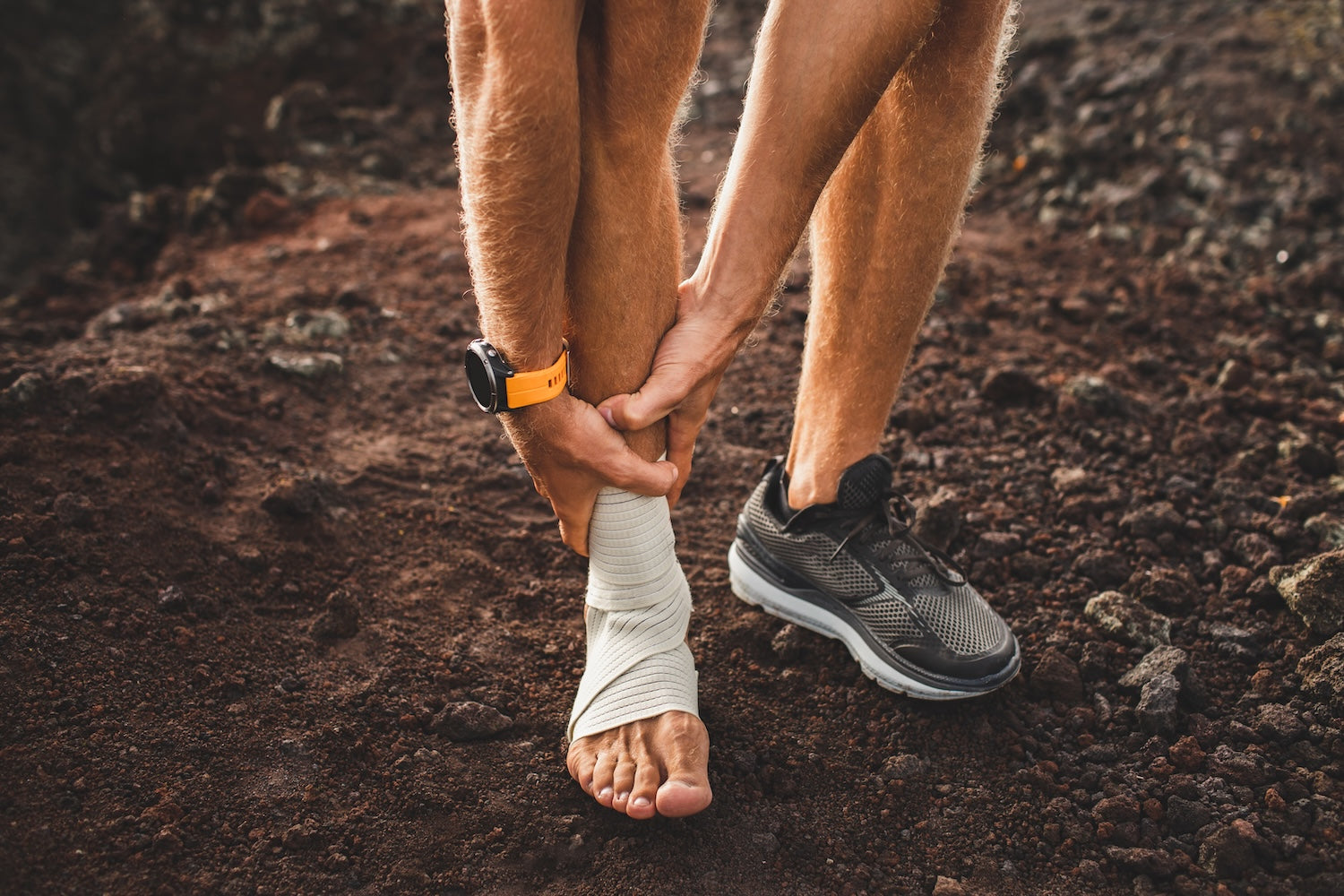
After an ankle fracture, many things feel different. Every step reminds you that the joint seems unstable. Even when the fracture has healed, uncertainty often remains. Pain occurs when you push yourself too hard too soon. This is exactly what makes it so difficult to really tackle learning to run after an ankle fracture consistently.
Many people report that the fear of twisting their ankle again is greater than the actual strain. This feeling holds you back and slows down your progress. Without targeted training and the right support, it usually takes much longer to regain confidence in your ankle.
The phases on the way back to walking and running
After an ankle fracture, your body needs time to recover step by step. Each phase has its own goal:
Immobilization and initial mobilization
At the beginning, protection and rest are the main focus. Your ankle remains immobilized, often in a cast or splint. Small movements without strain keep muscles and joints active nonetheless.
Partial weight-bearing and muscle building
As soon as your doctor gives you the green light, you can carefully put weight on your foot and begin the gentle process of rebuilding strength and mobility. Crutches help you to control the amount of weight you put on your foot. At the same time, you can start with light strengthening exercises to regain muscle strength and balance.
Full weight bearing and practicing walking
After a few weeks, you will be able to walk without aids. Now you can focus on training your coordination, balance, and strength. Only when you have mastered this should you start with short walking sessions. Learning to walk again after an ankle fracture is a process, but each step brings you noticeably closer to your goal. The aim is to regain confidence in your joint and master the transition to walking.
Combat uncertainty and fear with Betterguard
After an ankle fracture, similar hurdles arise time and again:
- Uncertainty and fear slow you down.
- Instability when walking makes every step a test.
- Pain leads to protective postures that put additional strain on other joints.
- Slow progress frustrates you and causes doubts to grow.
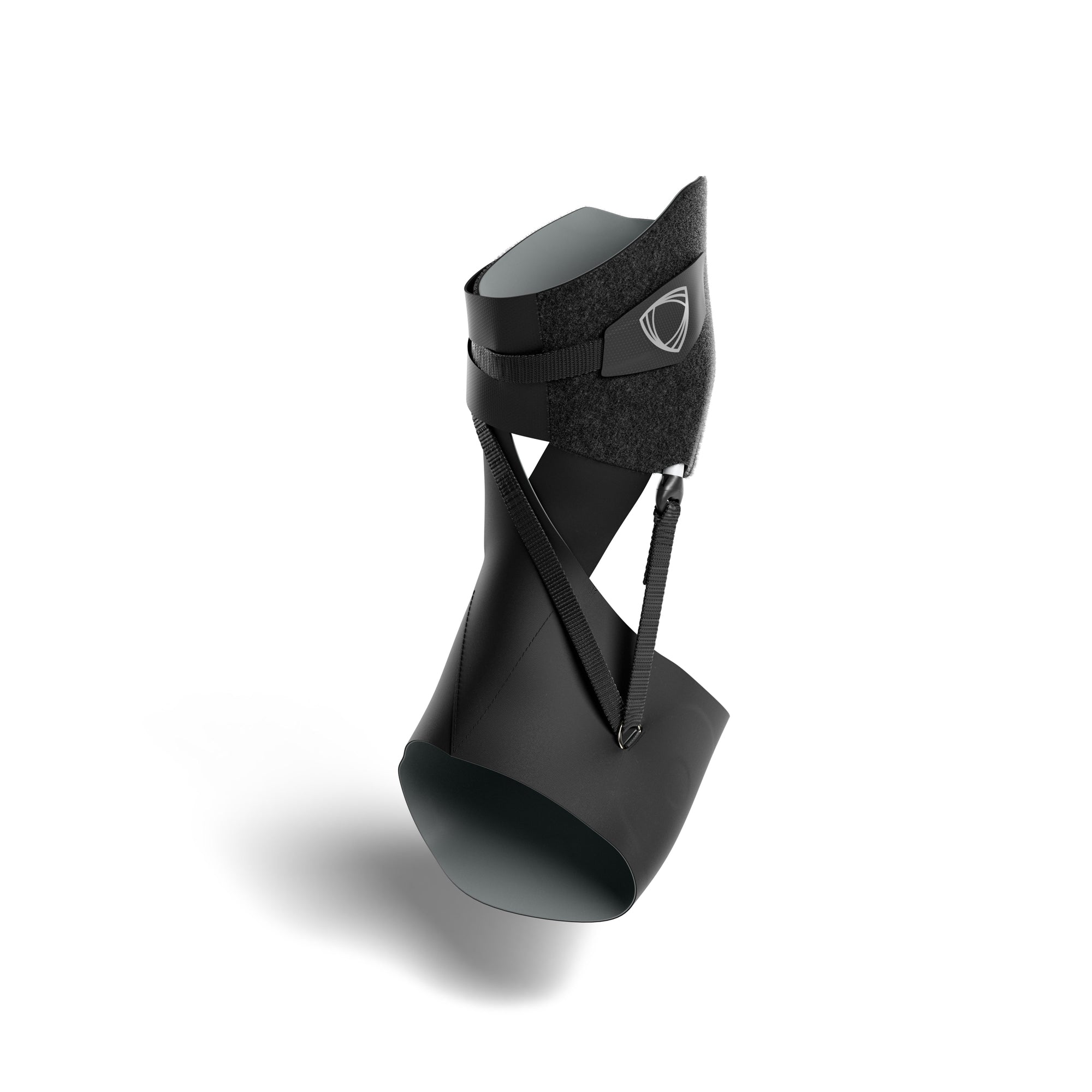
Many people affected struggle with precisely these issues. And this is where the solution comes in: with the BetterGuard, you get a brace that gives you security without restricting your mobility. It stabilizes your ankle in critical moments and helps you regain confidence. Step by step, you can resume training with the feeling that your joint remains protected.
How BetterGuard takes away your fear of twisting your ankle
BetterGuard is not a traditional brace. It features adaptive technology that reacts instantly when your ankle is in danger of twisting. If danger arises, the system locks in a fraction of a second and stabilizes your ankle. If movement remains normal, you won't feel a thing.
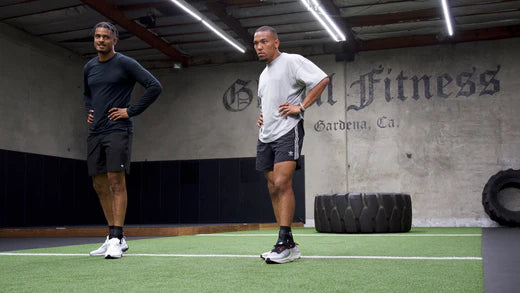
Unlike tape or rigid bandages, BetterGuard does not restrict you. You can jump, turn, and run without feeling constricted. This freedom ensures that you dare to make more demanding movements again. The advantage is obvious: full mobility during training, combined with protection exactly when you need it.
Conclusion – how to learn to walk again after your ankle fracture
Learning to walk again after an ankle fracture requires patience and training. Every little bit of progress counts and brings you closer to feeling secure in everyday life and in sports. Confidence in your joint does not grow overnight, but with consistent practice and the right support. With BetterGuard, you can train more stably, reduce the risk of relapse, and regain confidence step by step.
Get your BetterGuard now in the shop and take the next step toward safe movement.