A misstep while jogging, tripping on a curb, or a careless move during soccer—a ligament strain is one of the most common sports injuries. It most often affects the ankle, but the knee is also frequently involved. In this article, you’ll learn everything about ligament strains, how to recognize the symptoms, and how to get back in shape faster with the BetterGuard.
What exactly is a ligament strain?
Before we get to the tips, let’s clarify the basic question: What is a ligament strain? Medically speaking, it’s an overuse of the ligamentous apparatus without the tissue tearing. When the mechanical stress exceeds the ligament’s elasticity, a ligament strain occurs.
The term is often used synonymously with ligament overstretching. While the stability of the joint is usually maintained in the case of a strain or overstretching, more severe injuries such as a ligament tear lead to instability.
Ankle Sprain: The Most Common Type
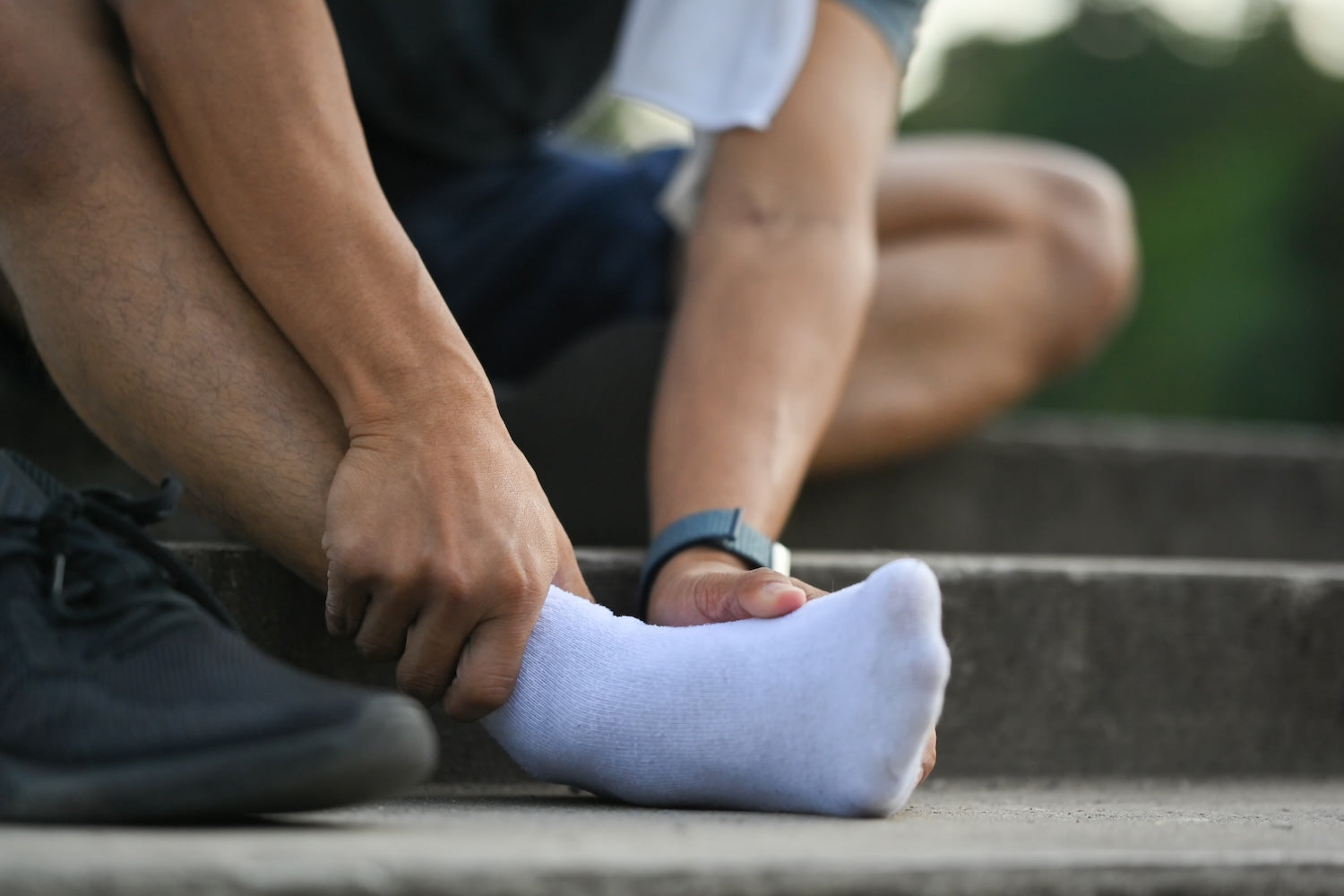
An B ankle sprainB is a classic orthopedic injury. Usually, the foot rolls outward, causing the B lateral ligament to overstretchB . Such an B ankle sprainB often occurs during daily activities or sports when the muscles are already fatigued.
Typical symptoms of a sprained ankle
How can you tell if your ankle ligaments are sprained? Look for the following signs:
- Swelling: The area around the ankle usually swells immediately after the injury.
- Pain: A sharp pain when putting weight on the foot or when palpating the affected ligament.
- Limited mobility: The joint can no longer be rolled through without pain.
- Bruising:B Sometimes slight discoloration occurs, though this is much more pronounced in the case of a tear.
If your ligaments are overstretched, the first rule is the RICE method (Rest, Ice, Compression, Elevation). To ensure the healing process, many professional athletes already rely on the BetterGuard here, as it stabilizes the joint without restricting movement.
Ankle Ligament Strain vs. Knee
It’s not just the foot that’s at risk. An B ankle ligament strainB usually affects the lateral ligaments. Another common area is the knee. A B knee ligament strainB often occurs in ball sports when the joint is twisted.
Knee ligament sprains often affect the collateral ligaments. Here, too, the symptoms are similar to those in the foot, but the knee often feels unstable. Anyone who ignores a knee ligament sprain risks long-term damage.
Ligament sprain in the foot: Healing time
The duration of recovery from a foot ligament strain depends heavily on the severity of the injury. A classic ligament strain usually heals within two to four weeks. During this time, it is crucial to protect the joint from twisting again. The BetterGuard offers a decisive advantage here: It activates its protective mechanism only during critical movements, which promotes natural healing.
Ligament strain: Accelerating recovery
Want to optimize the process? To accelerate ligament strain healing, the right equipment is crucial:
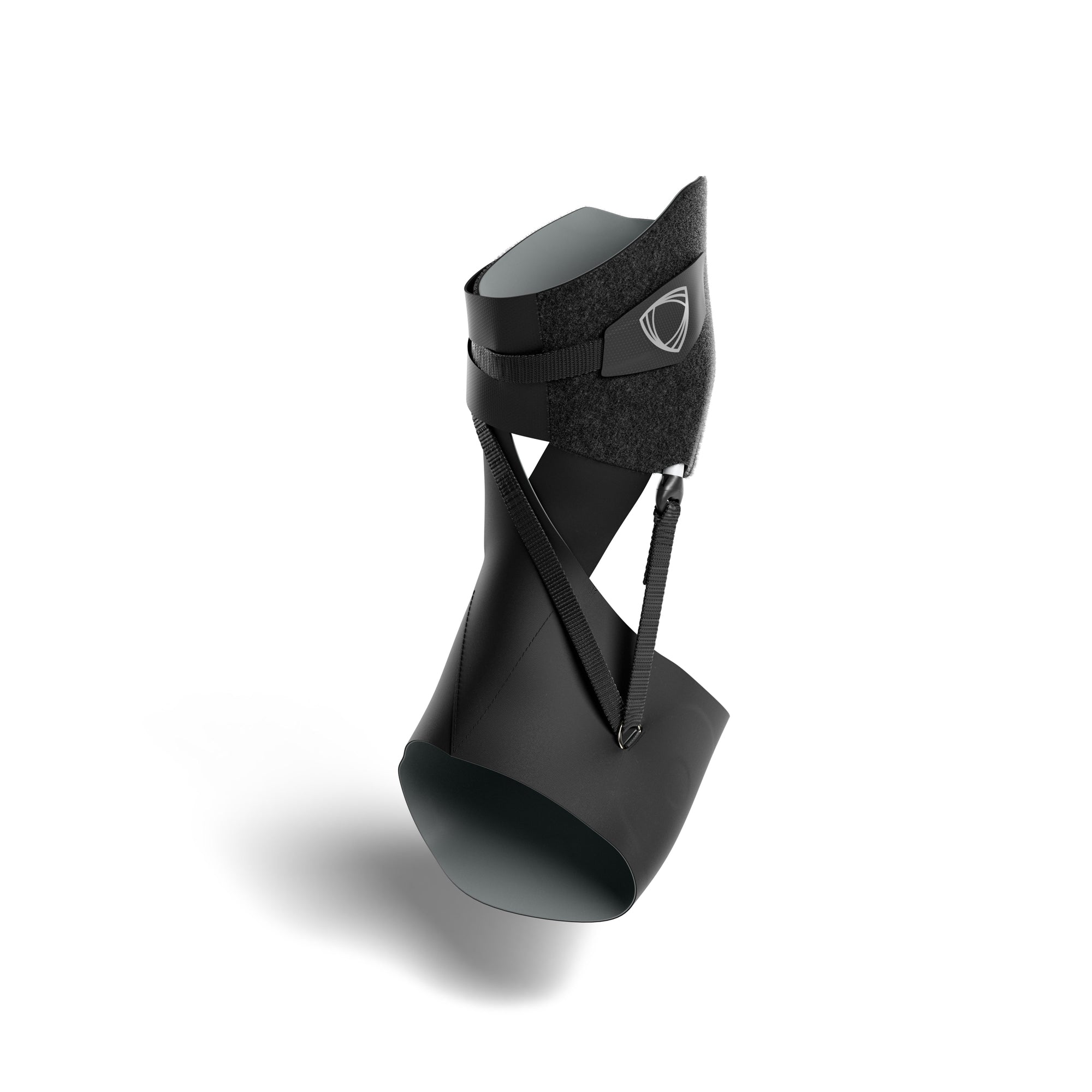
- Smart stabilization: The BetterGuard is an innovative ankle brace that works like a seatbelt. When a ligament overstretch is imminent, the integrated mini-hydraulic system triggers and stabilizes your joint in milliseconds.
- Physical therapy: Targeted exercises help the body restore stability to the joint.
- Rest & compression: In the first few days, compression helps reduce swelling.
FAQ: Frequently asked questions about ligament sprains
How do I distinguish a ligament sprain from a ligament tear?
With a ligament sprain, the joint is usually still able to bear weight. A torn ligament is often accompanied by an audible pop and severe instability. A medical diagnosis is essential.
What should I do if the lateral ligament is overstretched?
Cool it immediately and elevate it! Stabilization with the BetterGuard prevents the ligaments in the foot from being overstretched while they heal.
Can I keep running with a sprained ankle?
This is not advisable. Even if the pain subsides, continuing to run often leads to a worsening of the ligament strain.
When should I see a doctor for a ligament strain?
If you feel no improvement after 48 hours, your foot swells significantly, or you cannot put any weight on it at all, you should have the ligament strain in your ankle examined.