

Twisting your ankle is every athlete's nightmare. Whether playing basketball, handball, or trail running, one careless landing and your ankle is gone. This immediately raises the question of the right prevention or aftercare: tape or bandage?
Both options have their merits, but the demands on modern joint protection have increased. In this article, we clarify which is really better and why conventional solutions often reach their limits.
Tape: The classic with an expiration date
Many athletes swear by classic sports tape. It is lightweight, hardly noticeable, and provides a direct feeling of stability. However, when comparing tape and bandages for the ankle joint, tape has some significant disadvantages:
- Skin irritation: Regular taping irritates the skin and can lead to allergic reactions.
- Application errors: Without a physical therapist, it is difficult to apply functional tape in such a way that it really provides support without restricting blood circulation.
Bandages: comfort vs. protection
Those who wonder which is better, tape or bandages, often end up choosing the classic bandage. It is easy to apply and durable. However, conventional bandages are often bulky, restrict natural freedom of movement, or simply do not offer enough protection against the dreaded lateral twist (inversion trauma).
The revolution: When technology decides the duel
When you have to choose between tape or bandage, you are actually looking for two things: maximum freedom with maximum safety. This is exactly where the next generation of joint protection comes in.
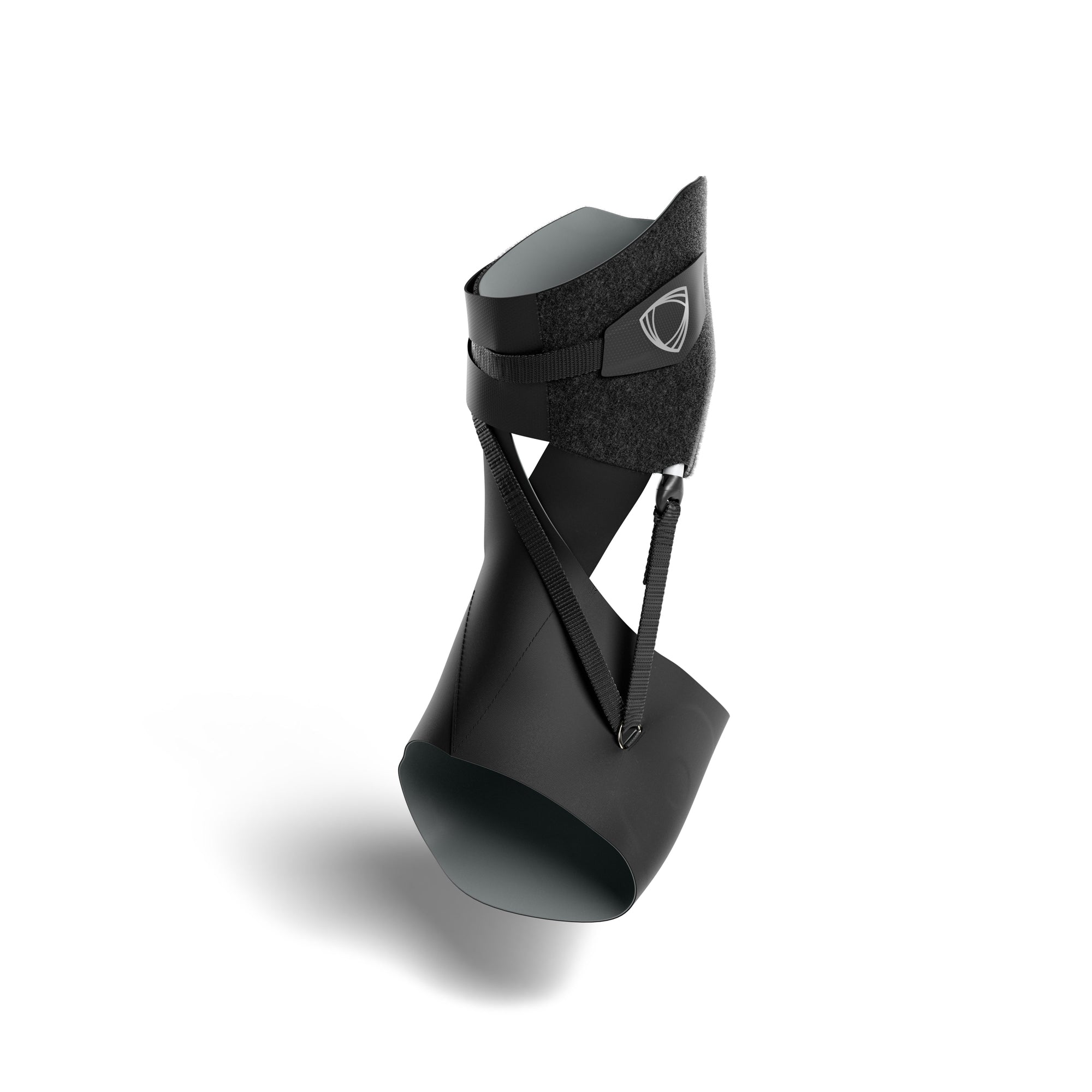
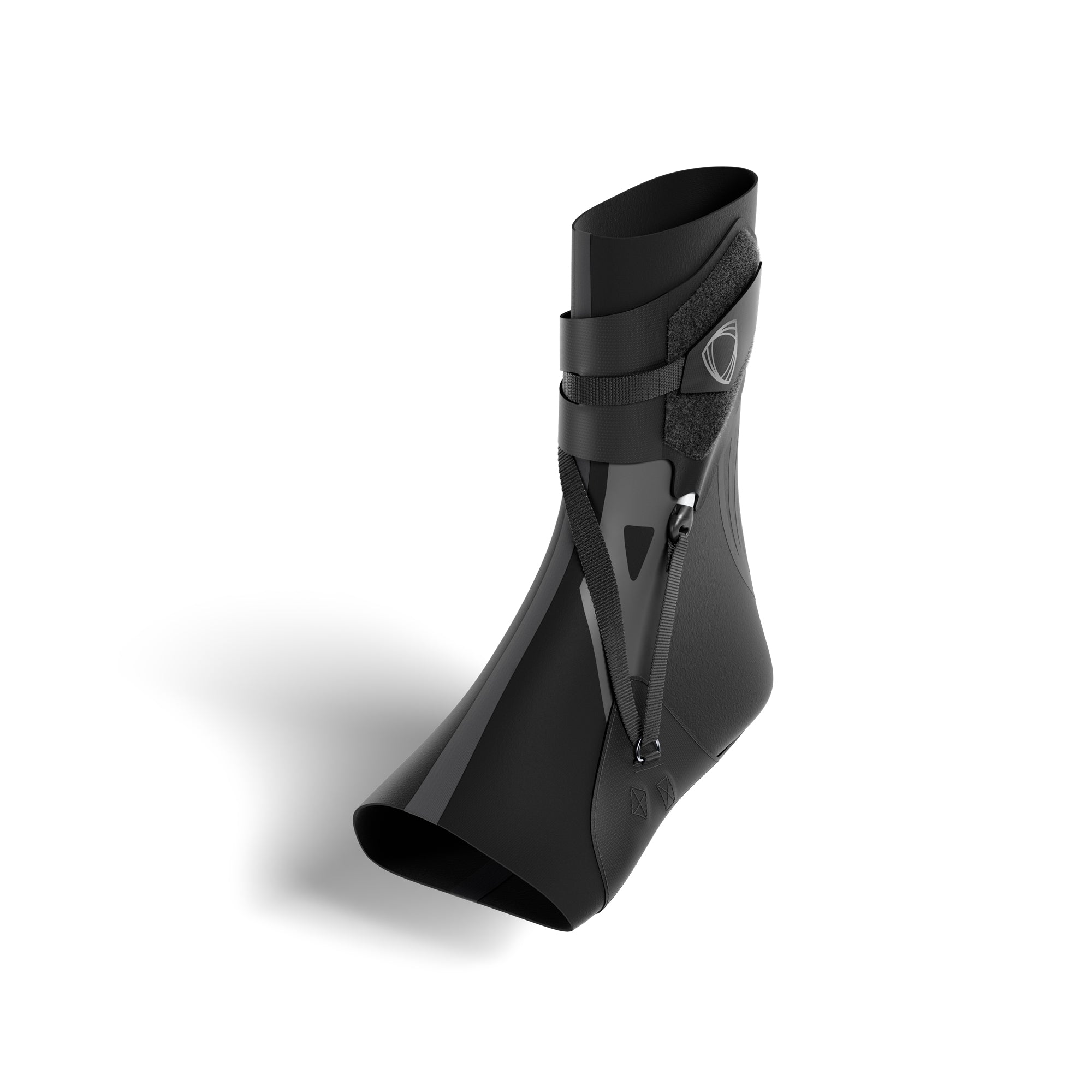
Instead of forcing yourself into rigid splints or relying on unstable tape, The BetterGuard 3.0 combines the best of both worlds.
Why The BetterGuard 3.0 replaces conventional solutions:
- Intelligent protection: Unlike rigid tape, the integrated mini shock absorber only activates at the moment of danger.
- Full mobility: You have the freedom of tape, but the security of a high-tech splint.
- Reusable & sustainable: While you throw away tape after every workout, the BetterGuard is your long-term companion at a professional level.
Professional athletes focus on prevention before pain arises. The BetterGuard 3.0 gives you the psychological security to perform at 100% without the fear of the next twist in the back of your mind.
Conclusion: Tape or brace – which is better?
The question of tape or brace can be answered in a modern way today: Tape is okay for short, light stabilization. For real performance and reliable protection in high-intensity sports, the brace wins – provided it is technically up to date.
If you don't want to compromise between protection and freedom, switching from classic equipment to intelligent technology is the logical step for your athletic career.
FAQ: Frequently asked questions about tape or bandages
Which is better: tape or a bandage on the ankle?
That depends on the goal. Tape provides short-term sensory feedback but quickly loses stability. A high-quality ankle bandage offers lasting protection and is more cost-effective and gentler on the skin in the long term.
Can I wear a bandage despite the tape feeling?
Yes, modern bandages such as the BetterGuard 3.0 are designed to be extremely flat and feel almost like tape in the shoe, but offer significantly higher protection.
Does wearing a brace weaken my muscles?
This is a widespread myth. A functional brace such as the Betterguard 3.0, which only stabilizes in an emergency, allows the muscles to work actively and merely protects against extreme movements that would lead to injury.
How do I find the right size for my ankle brace?
Measure the circumference of your ankle at the narrowest point above the ankle bone. Most manufacturers provide detailed size charts to ensure optimal compression and fit.