
One quick twist, a sharp pain, and it's happened: a torn ligament. Many athletes then make the mistake of underestimating the injury as soon as the initial pain subsides. But if you get back into full training too soon or neglect the healing process, you risk long-term consequences.
In this article, you will learn why an untreated torn ligament is dangerous and how you can avoid chronic instability.
Why a torn ligament is often underestimated
A torn ligament in the ankle is one of the most common sports injuries. The problem is that the swelling goes down, you can walk again, and you think everything is back to normal. However, if a ligament tear is left untreated, the tissue often heals in an elongated position. The result is mechanical instability, which makes your joint more susceptible to further twisting.
The most common long-term effects of a torn ligament in the ankle
Those who neglect rehabilitation often struggle with the effects for years to come. Typical long-term effects of a torn ligament include:
- Chronic instability: The feeling of no longer being able to fully trust your own foot (“giving way” phenomenon)
- Early osteoarthritis: Incorrect weight distribution causes the joint cartilage to wear down more quickly
- Limited mobility: Scar tissue in the tissue blocks the full range of motion
- Repeated injuries: The risk of another tear increases significantly after the first incident
Pain after a healed ligament tear
Many athletes report pain after a ligament tear that has actually healed. This often occurs during weather changes, after prolonged exertion, or during the first intense sprints. In most cases, this is caused by minor inflammatory processes or overloading of the surrounding tendons, which attempt to compensate for the lack of stability in the ligaments. This problem occurs frequently in sports such as soccer, basketball, handball, and volleyball, as athletes do not want to let their team down and quickly return to the field.
Long-lasting swelling after a torn ligament
Long-lasting swelling after a torn ligament is a clear warning sign. It indicates that the joint is still irritated or that lymph drainage is impaired by scar tissue. If your ankle is still “swollen” months after the injury, you should reconsider the strain you are putting on it.
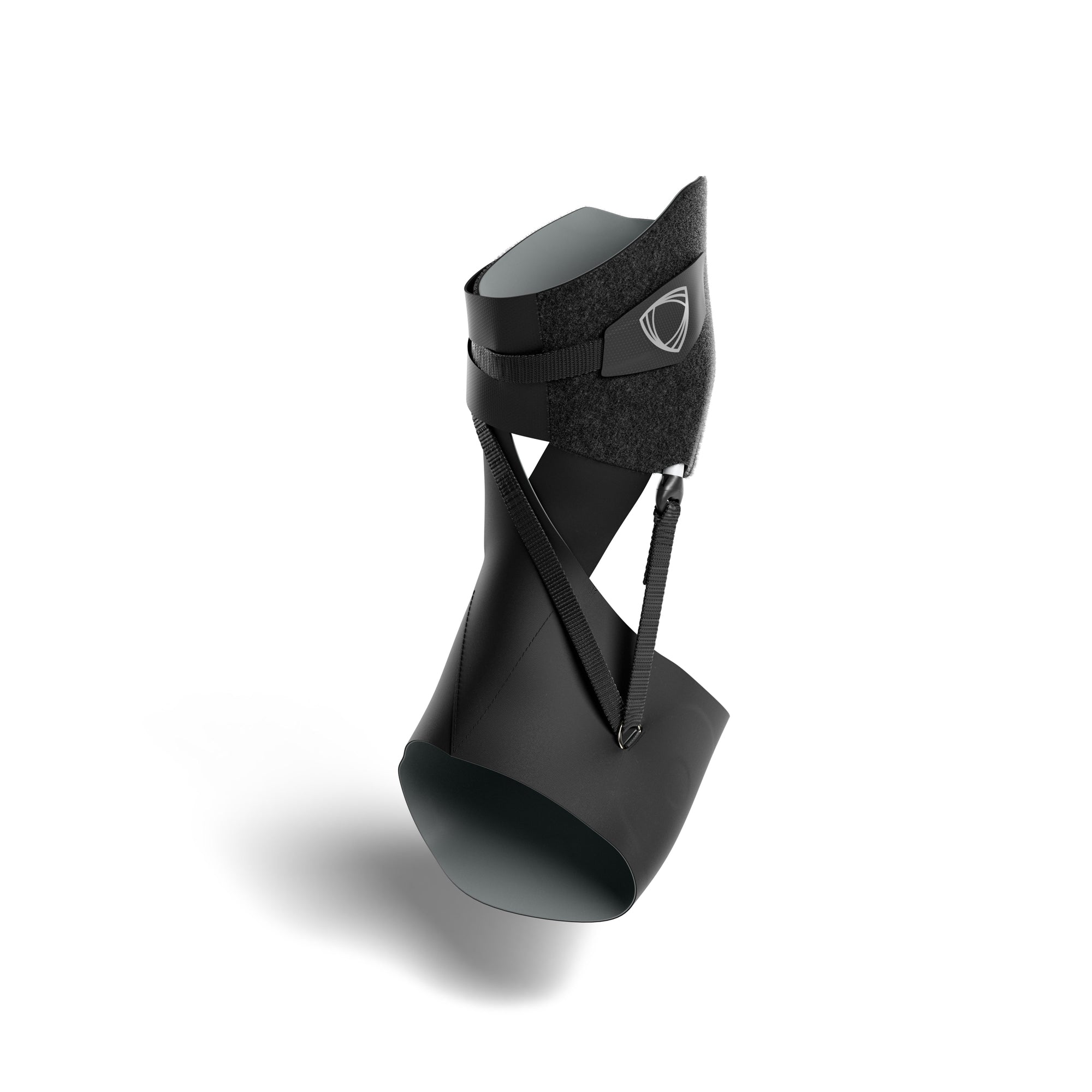
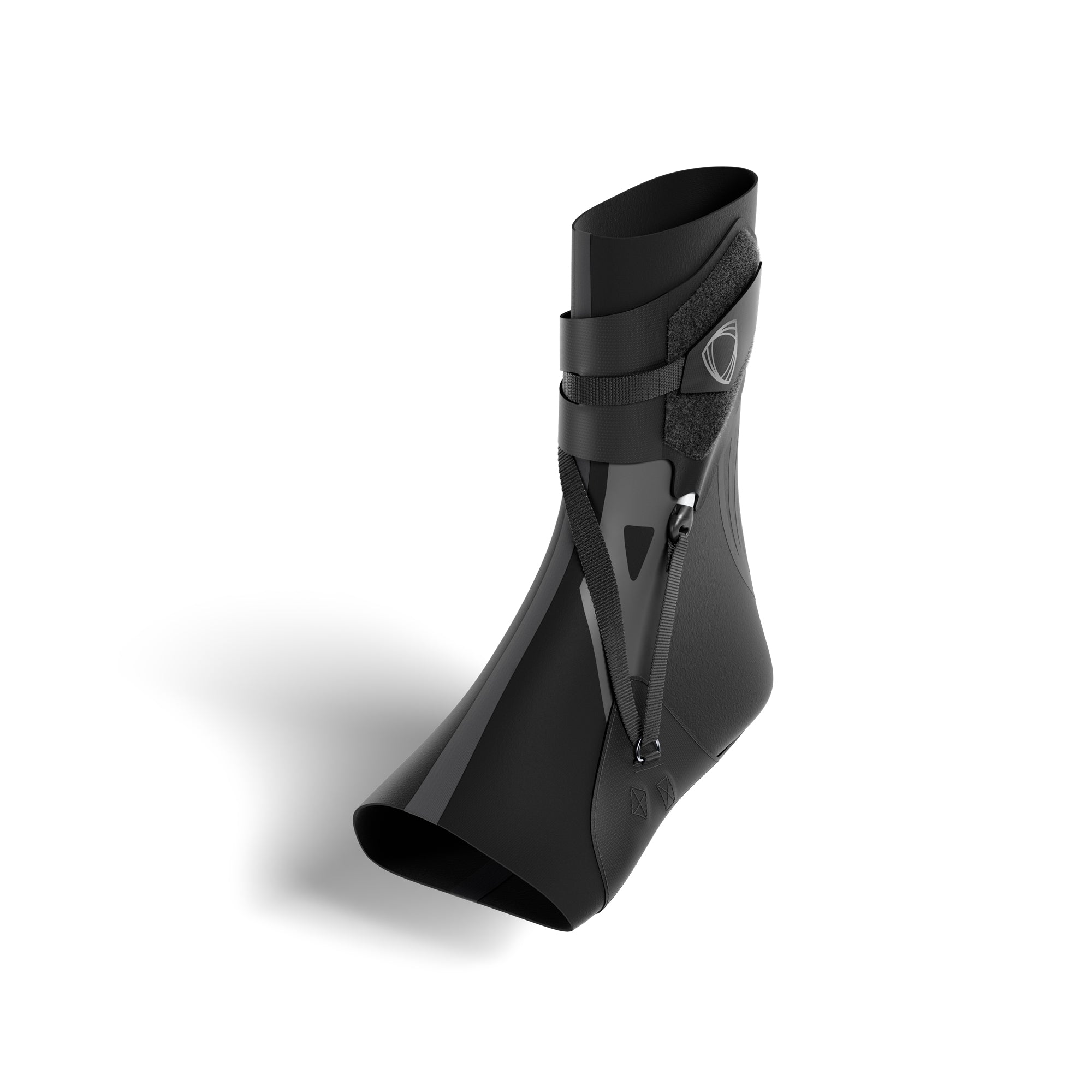
The solution for maximum safety: The BetterGuard 3.0
Conventional tape is often not enough to actively prevent long-term effects, and rigid splints limit your performance. This is where The BetterGuard 3.0 comes in.
The BetterGuard 3.0 is a revolution in joint protection. Thanks to its intelligent technology, the brace only stiffens at the moment when a critical twisting movement occurs – 3x faster than your body can react. During normal play, you enjoy full freedom of movement while minimizing the risk of re-injury and chronic instability. It is the ultimate bodyguard for your ankle, allowing you to focus fully on your game.
Conclusion: Prevention is better than cure
A ligament tear in the ankle with long-term consequences does not have to mean the end of your sporting ambitions. With targeted training and the right protection, you can stabilize your joint. However, leaving a ligament tear untreated is playing for time at the expense of your own health.
FAQ: Frequently asked questions about the long-term consequences of a torn ligament in the ankle
What happens if a torn ligament is not treated?
If a torn ligament is ignored, the ligaments often heal in an unstable manner. This leads to chronic twisting and can cause long-term joint wear (osteoarthritis).
Why do I still have pain months after a torn ligament?
Common causes are scar tissue, chronic irritation of the joint capsule, or overuse of the muscles, which have to compensate for the instability of the ligaments.
Is swelling still normal after 6 months?
No, swelling after six months indicates chronic overuse or inflammation. In this case, the stability of the joint should be clinically examined.
Can I return to high-performance sports despite old ligament tears?
Yes, with targeted rehabilitation training and professional protection such as the BetterGuard 3.0, you can restore the stability of your ankle joint and perform safely.